Major Bible Archaeology Discoveries Confirming Scriptural History

Bible archaeology discoveries continue to provide remarkable confirmations of the historical reliability of Scripture. Each new find—whether ancient synagogues, city ruins, or manuscripts—enriches our understanding of the biblical world while strengthening the foundation of faith with tangible, independently verifiable evidence. These discoveries invite us to view the Bible not simply as a religious text, but as a true historical record grounded in real-world facts. As we explore these archaeological treasures, we gain renewed confidence that the God of Scripture reveals Himself faithfully through both His Word and the ancient artifacts that stand the test of time. This powerful intersection of faith and evidence is central to what FaithSearch communicates, offering believers assurance and challenging skeptics to examine the compelling facts more closely.
Second Synagogue Found in First Century Magdala: A Notable Bible Archaeology Discovery
People in the U.S. are accustomed to seeing several churches located in the same city, sometimes only a block apart. It is not so much the case with synagogues. Only a few synagogues have ever been found in the whole of the Galilee, much less two in the same community.
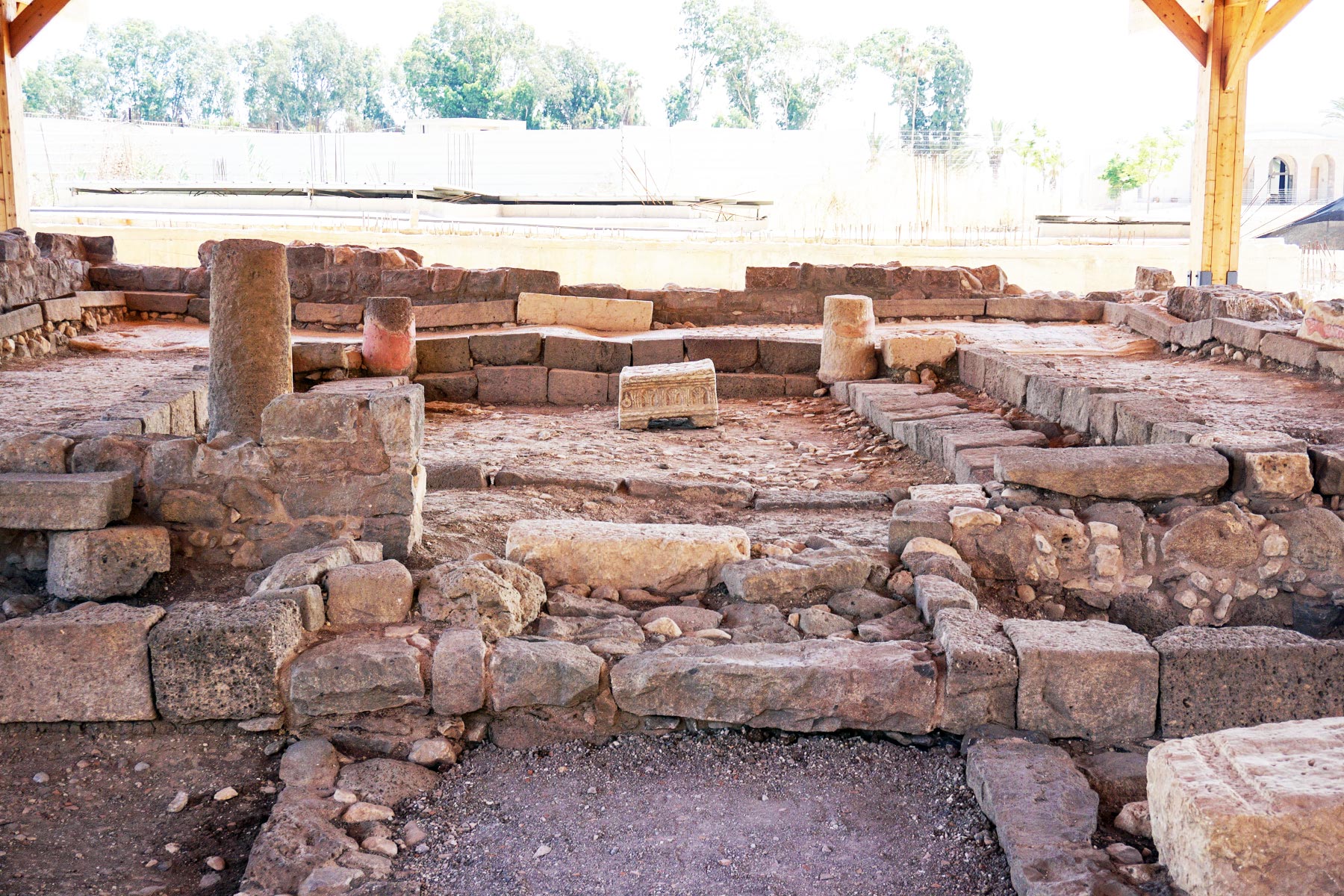
Magdala is located on the northwestern shore of the Sea of Galilee and is thought to be the birthplace of Mary Magdalene and the main base of operations for the Jewish historian Josephus when he was a rebel leader during the First Jewish Revolt (A.D. 66-70). A more elaborate synagogue was found there in 2009, complete with ritual baths and colorful frescoes. Bible archaeology discoveries now include this second one, announced in December of 2021 by the University of Haifa, as a simple square-shaped building with a central hall and two small rooms. It is thought that their differences may be location in the city. The first was located in a commercial area, while the more recent one was found in a residential neighborhood.
Jesus often visited Jewish synagogues during His ministry and was usually invited to speak (Luke 4:16). It was here that He often introduced His redemptive message (vv. 17-21).
An Unknown Egyptian City
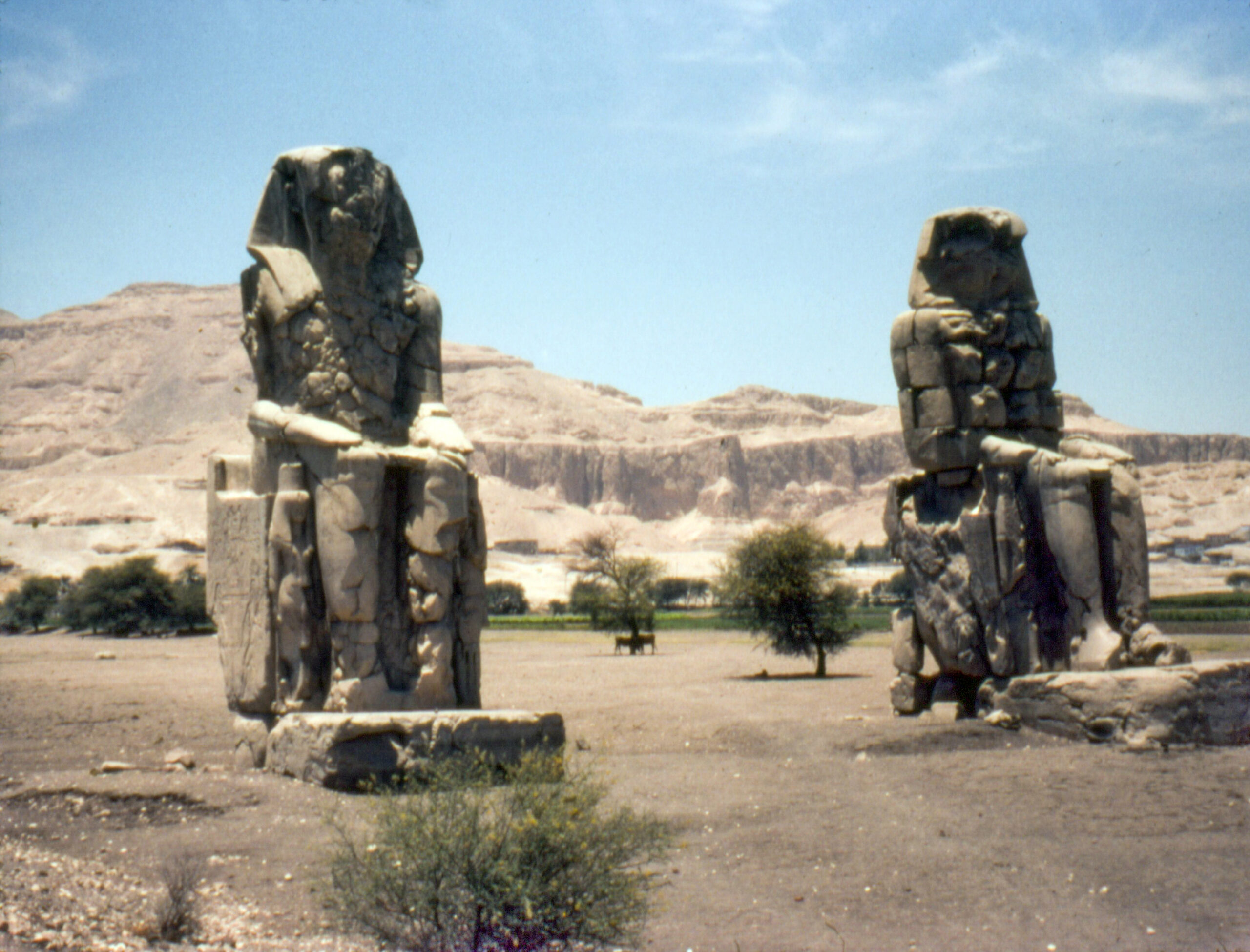
Among recent bible archaeology discoveries that have captured global interest, Egyptian archaeologists uncovered a 3,000-year-old previously unknown city called Aten on the west bank of the Nile River near Luxor. Believed to be the largest Egyptian city ever unearthed, Aten dates to the reign of Pharaoh Amenhotep III, the grandson of Amenhotep II—whom some evangelical scholars suggest may have been the pharaoh of the Exodus described in the Bible.
This city appears to have been abruptly abandoned. Excavations revealed valuable artifacts such as jewelry, colorful pottery, and widespread formations of mud bricks, surprising the excavation team. As research continues, this site promises to provide captivating insights into daily life during the time associated with Moses, adding archaeological context to the biblical narrative through these important bible archaeology discoveries.
More Bible Archaeology Discoveries in the Dead Sea Region
The Israel Antiquities Authority announced the results of a four-year excavation project in hard-to-reach caves overlooking the Dead Sea. Finds included arrowheads, coins, combs, the mummified remains of a young girl, and dozens of scraps of biblical texts. The scroll fragments, containing passages from Zechariah and Nahum, are unrelated to the texts produced by the Qumran community, known as the Dead Sea Scrolls. They nonetheless shed light on the long work of translating and transcribing Scripture.
For archaeologists, the most amazing discovery was an ancient basket, complete with intact lid, and thought to be the oldest intact basket in existence. It is reminiscent of other biblical baskets, such as the one that held the baby Moses in Exodus (Exodus 2:3), the ones that carried the leftovers when Christ fed the multitudes in the Gospels (John 6:13), and the one that helped the apostle Paul escape persecution, when he was lowered over the wall of Damascus (Acts 9:25).
Herod the Great’s Green Thumb
King Herod, when he was not building something, evidently had a gardening hobby (or employed someone who did). Soil samples from excavations at his Jericho palace, taken almost a half century ago, were recently analyzed, and the pollen particles revealed sophisticated horticulture. Miniature pine, cypress, cedar, and olive trees were grown in clay pots. Many of the tree species would not typically have grown in the desert around Jericho, making the garden a demonstration of Herod’s greatness, a horticultural feat meant to impress guests and subjects alike.
A Temple Mount Banquet Hall: Excavations Confirming Biblical Accounts
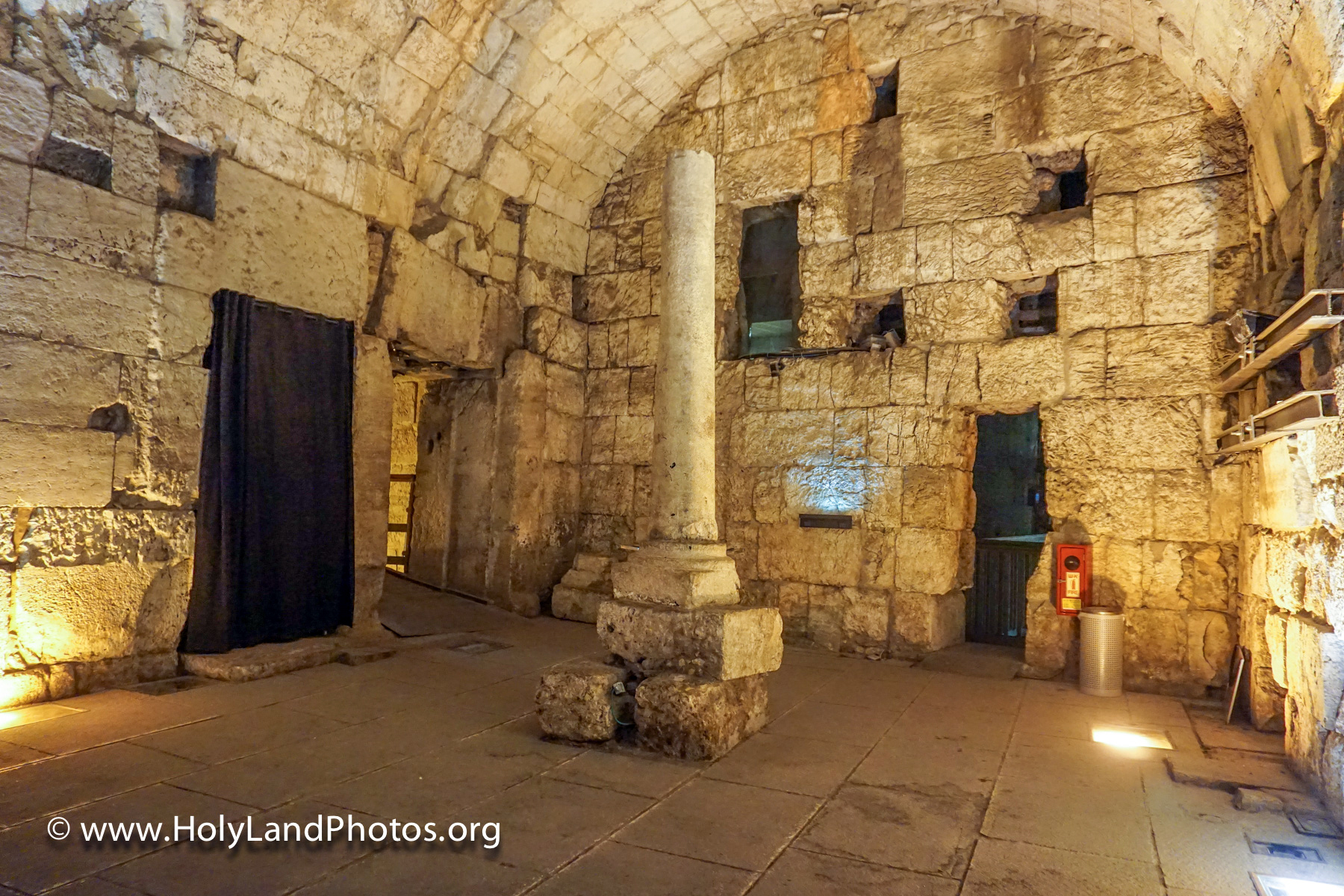
(Image courtesy: holylandphotos.org)
A luxurious public building located next to the Temple Mount has been excavated and opened to public tours. Part of the building was first discovered by British archaeologist Charles Warren in 1867, and the site was partially excavated in 1966. Now the excavation is complete and archaeologists have dated its original construction to A.D. 20—during the lifetime of Jesus.
The building contained two identical chambers, separated by an elaborate fountain. The luxurious nature of the facility and its adjacency to the Temple Mount indicates it was probably used by the elite members of the first-century Jewish community, the families of the high priests, and other leading religious figures.
Archaeologists say it was damaged by an earthquake in A.D. 33, then later rebuilt and reconfigured into three vaulted halls. Could the destruction be evidence of the earthquake recorded in the Gospel accounts at the crucifixion of Jesus (Matthew 27:51, 54)?
A Crucifixion Foot: Physical Evidence from Bible Archaeology Discoveries
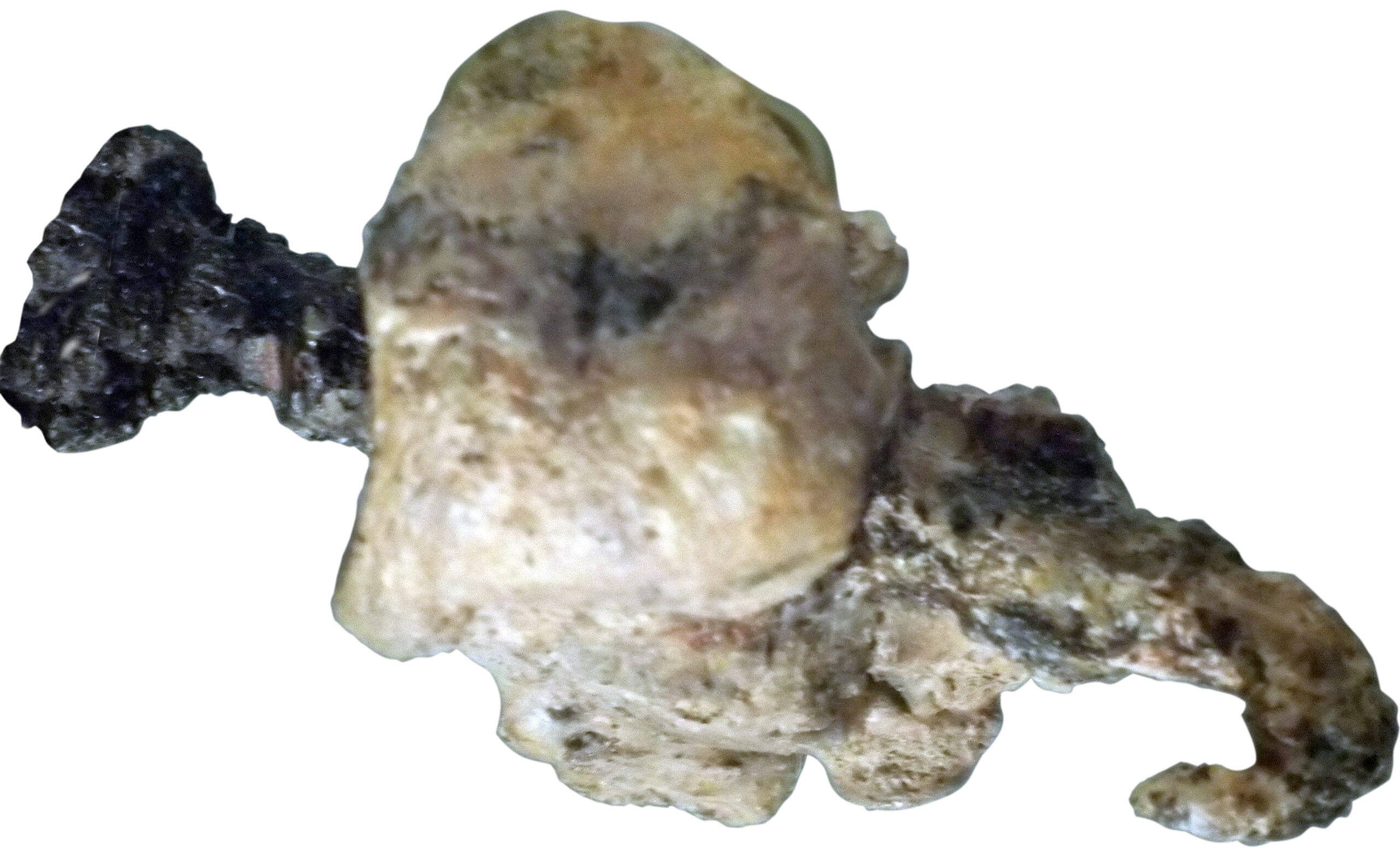
(This model of the original [which has since been re-interred] is displayed in Jerusalem.) (Photo courtesy: Adrian Van Vactor)
The Roman practice of crucifixion is well known from ancient sources, including the Gospel accounts of Jesus’ death. Among notable bible archaeology discoveries, one significant find provides direct physical evidence of this execution method. Until 2021, the only confirmed archaeological proof came from a burial cave in Israel where a man was found with a nail through his foot. [Pictured and discussed in my book Surprised by Faith, p. 50.] In early December 2021, another remarkable discovery was announced: a skeleton excavated from a grave at Fenstanton in Cambridgeshire, England, also bearing a nail driven through the right foot. The burial dates to around A.D. 400, during the Roman occupation of England, further affirming biblical historical accounts through these bible archaeology discoveries.
The Testimony of a Bulldozer: Rediscovering a Biblical Site by the Sea of Galilee
Since the time of Jesus, the region around the Sea of Galilee was only second to Jerusalem for interest to Christian pilgrims in the Holy Land. Locations north and west of the lake such as Capernaum, Magdala, Bethsaida, and Tiberius have nearly monopolized tourism.
Until recently, the absence of any significant archaeological discoveries on the eastern shore seemed to confirm this selective interest. As a result of recent excavations by the Israel Department of Antiquities and Museums, however, it is becoming quite clear that the eastern shore of the Sea of Galilee also played an important role in Jesus’ ministry.
One significant site on the eastern side of the Sea is the place where Jesus’ miracle of casting out several demons from possessed men—and into a herd of pigs—is thought to have occurred. All three Synoptic Gospels mention this event (Matthew 8:28–34; Mark 5:1–20; Luke 8:26–39) with some variation. As early as the third century the site of the miracle was fixed at the mouth of Wadi Samak near a Roman urban settlement known as Tell el-Kursi. The reasons were threefold: 1) its location on the eastern shore of the lake; 2) its proximity to an urban center; and 3) its topographical setting with a steep hill leading down to the lake.
The problem is that Tell el-Kursi has never been excavated and there is no archaeological evidence linking the site to Jesus’ miracle. Furthermore, the names in the Gospels associated with the site of the miracle (Gergessa, Gadara, and Gerasa) are unknown.
It was not until the late twentieth century (1970) that archaeologists made one of the significant Bible archaeology discoveries of the modern era. This discovery was serendipitously made through the use of an archaeological tool of great import: a bulldozer. While clearing a new road to the Golan Heights, the bulldozer uncovered large quantities of Byzantine pottery and the ruins of several ancient structures. This discovery occurred precisely at the site early pilgrims had identified with Jesus’ miracle. Recognizing its importance, excavation efforts halted the bulldozer’s work, leading to five seasons of careful scientific study through 1980.
During these Bible archaeology excavations, researchers found a large, walled settlement of religious character spanning four acres, including a monastery, basilica, a large church, and a tower-like structure with a chapel. This latter structure marked the very site of the miracle as acknowledged by Christians as far back as the mid-third century. Nearby, a large tell—separate from Tell el-Kursi—within 300 yards of the complex likely served as the urban center of the area but remains unexplored. The remnants of a harbor are still visible in the adjacent small bay.
The monastery compound itself was built in the late fifth century but suffered severe damage from the Persian invasion of A.D. 614. Pilgrimage to the site was cut off, and further destruction came with the Moslem conquest in the seventh century. A devastating earthquake around A.D. 746 closed the site permanently, leading to its abandonment by the end of the eighth century. Over time, alluvial soil covered this key archaeological treasure from view. While some critics questioned whether the miracle was merely legend, more than 1,200 years later, this bulldozer-led Bible archaeology discovery rediscovered the biblical site. This extraordinary find reaffirmed the historical nature of the Gospels and the life of Jesus, reinforcing faith with compelling archaeological evidence.
Sources: Christianity Today News, Gordon Govier, December 21, 2021; Biblical Archaeology Review, Summer 2022, p. 10; “A Pilgrimage to the Site of the Swine Miracle,” Vassilios Tzaferis, Biblical Archaeology Review 15:2, March/April 1989.